Being in debt sucks.
You try to make progress, but between the credit cards, the car loan, and that random personal loan from ages ago, it can feel like you’re just treading water.
Where do you even start?
A few years back, we were right there too – juggling multiple debts, trying to make ends meet, and feeling like we’d never get ahead.
Then we found something that actually worked for us: the Debt Snowball Method.

Instead of stressing about interest rates or fancy budgeting tools, we simply listed our debts from smallest to largest and focused on knocking them off one by one.
Every time we paid off one loan, we rolled that payment into the next debt.
It felt simple, doable, and, best of all, motivating.
That method was a game-changer.
It helped us clear our debts faster than we thought possible – and once we were out of the hole, we were able to start saying yes to the things that really mattered to us, like travelling as a family and creating a lifestyle with more freedom and less financial stress.
If you’re feeling overwhelmed or unsure where to begin, this could be the momentum boost you need too.
Ready to finally feel in control of your money again?
Let’s break it down step by step.
1. List All Debts from Smallest to Largest Balance
To get started with the debt snowball method, list all debts from smallest to largest balance, regardless of interest rate.
This gives you a clear repayment roadmap.
Here’s how to do it:
1. Gather Your Debt Information
Collect details about each debt – including balances, interest rates, and minimum monthly payments.
2. Write out the debts like this
| Debt Type | Balance | Minimum Payment |
| Credit Card A | $500 | $25 |
| Credit Card B | $1,200 | $50 |
| Personal Loan | $3,000 | $100 |
| Car Loan | $15,000 | $300 |
3. Focus on the Smallest
Start with the debt that has the smallest balance.
Ignore interest rates at this stage – the goal is quick progress, not financial perfection.
4. Commit Extra Funds
Direct any extra money in your budget to the smallest debt.
This helps pay it off faster and keeps you motivated.

2. Make Minimum Payments on All Debts (Except the Smallest)
While using the debt snowball method, make only the minimum payment on each debt except the smallest.
That smallest balance is your current target.
Why Focus on the Smallest Debt?
- Quick Wins: Paying off a small balance fast feels amazing and builds confidence.
- Less Stress: You focus on one debt at a time, reducing overwhelm.
- Momentum Building: Once one debt is cleared, the payment rolls over to the next smallest debt, creating a snowball effect.
Here’s how that might look:
| Debt Type | Balance | Minimum Payment | Extra Payment |
|---|---|---|---|
| Credit Card A | $500 | $25 | $150 |
| Credit Card B | $1,200 | $50 | $0 |
| Personal Loan | $3,000 | $100 | $0 |
| Car Loan | $15,000 | $300 | $0 |
In this example, you’re aggressively paying down Credit Card A while making minimum payments on the others.
3. Allocate Extra Funds to Pay Off the Smallest Debt First
Once your debts are listed and you’re making minimums on the rest, it’s time to apply all extra funds toward the smallest debt.
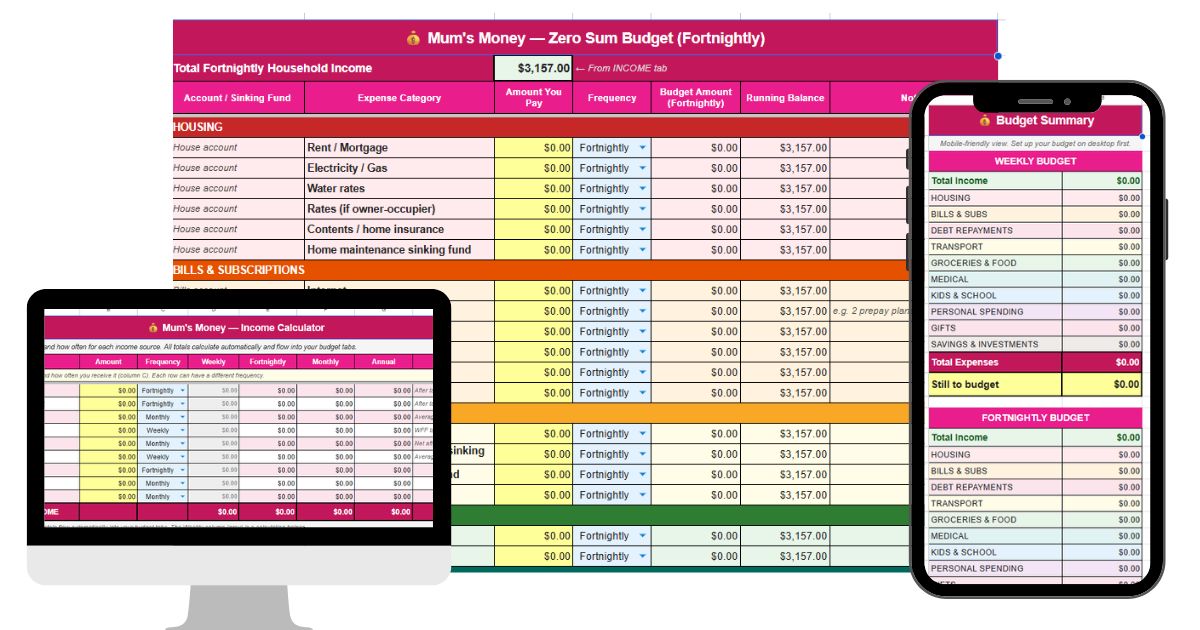
But where does the extra money actually come from? This is where a zero-sum budget helps.
Give every dollar of your income a job (bills, groceries, debt payments) until you hit zero.
Anything you’d normally lose to ‘where did it all go?’ gets pointed at your target debt instead.
Steps to Allocate Extra Funds:
- List Your Debts by Balance: Use the smallest-to-largest format as your repayment guide.
- Pay Minimums on All Others: Avoid late fees or defaulting.
- Identify Extra Funds: Cut back on dining out, subscriptions, or boost income with a side hustle.
- Apply Extra Payments: Direct all spare funds to your smallest debt.
- Celebrate Each Win: Every paid-off debt is a milestone worth acknowledging.
📌 A 2016 study published in the Harvard Business Review found that people are more likely to stick with debt repayment when they target smaller balances first – even if it’s not mathematically optimal.
4. Once the Smallest Debt is Paid Off, Move to the Next
When the smallest debt is paid off, you roll that payment amount into the next smallest debt’s payment – this is the “snowball” in action.
Here’s how the transition works:
- Pay off the smallest debt.
- Add that freed-up payment to the next debt’s minimum payment.
- Repeat the cycle for each remaining debt.
For example:
| Month | Debt Paid Off | Payment Rolled Over | New Payment on Next Debt |
|---|---|---|---|
| 3 | Credit Card A | $175 | $225 ($50 + $175) |
| 8 | Credit Card B | $225 | $325 ($100 + $225) |
| 15 | Personal Loan | $325 | $625 ($300 + $325) |
These figures ignore interest to keep the example simple. Your real timeline will be a little longer.
As you roll payments up, your repayment power increases.
This accelerates your progress – like a snowball – and helps you stay on track.
5. Repeat the Process Until All Debts Are Paid Off
Keep working your way through the list.
Each time you pay off a debt, you’ll free up more funds for the next one.
Steps to Repeat the Process:
- List Remaining Debts: Keep them organised from smallest to largest.
- Redirect Funds: Apply the snowballed payment to the next target.
- Stay Consistent: The magic of the snowball is in the consistency and momentum.
💡 This process may not save the most money in interest compared to the “debt avalanche” method, which targets the highest interest rates first – but the snowball method is often more effective for those who need motivation and fast wins to stay committed.
Celebrate Your Wins
Every paid-off debt – no matter how small – is a big step forward.
Don’t forget to celebrate each milestone (in a way that doesn’t put you further into debt!).
This reinforces the habit and keeps you emotionally invested in the journey.
So Is the Debt Snowball Right for You?
The debt snowball method is ideal if:
- You need quick wins to stay motivated (Hello, Emma!).
- You feel overwhelmed by multiple debts.
- You’re committed to seeing progress over time.
If you’re more financially disciplined and want to save the most on interest, consider the debt avalanche method instead – but for many people, the emotional momentum of the snowball is what helps them finally become debt-free.
It definitely worked for us!