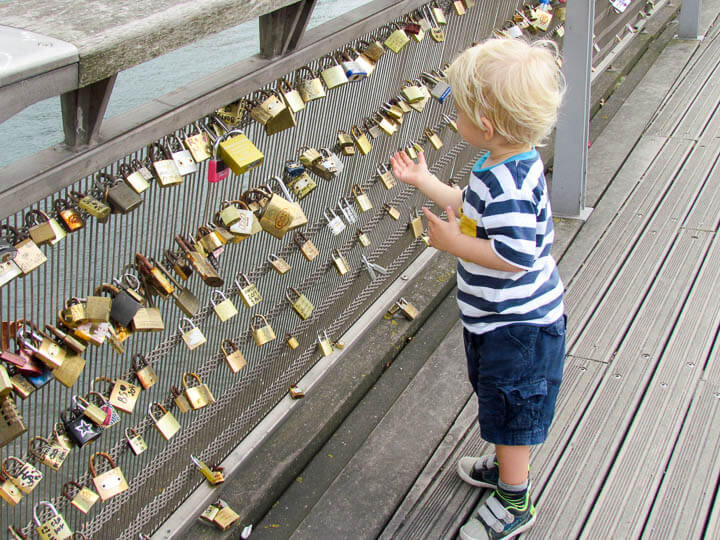
Years ago, my husband and I packed up our little family and took off overseas. One kid, one suitcase each, and a vague plan to be gone for eight months or so.
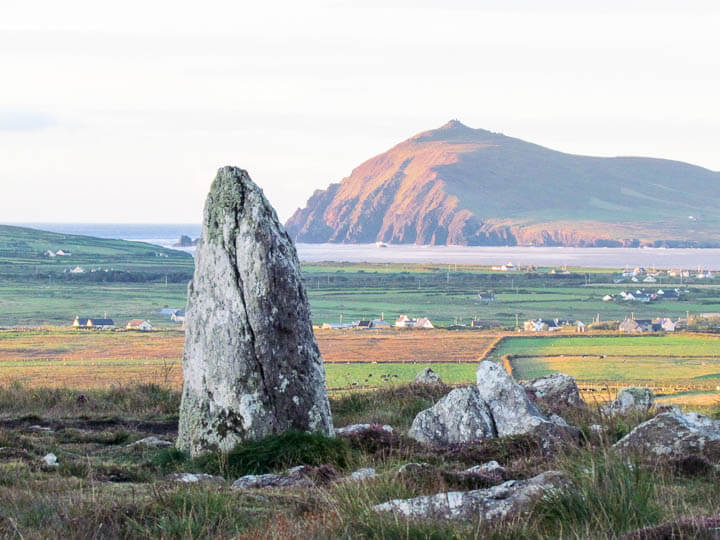
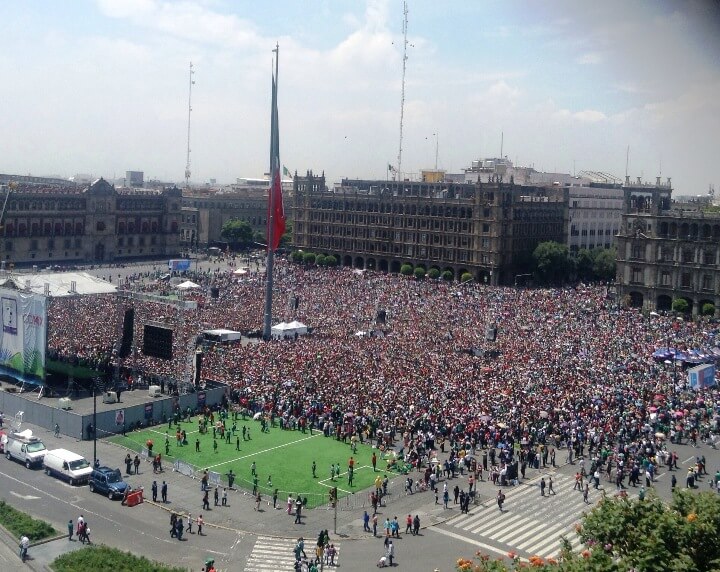
We ended up travelling for over a year. We lived in tiny Airbnbs across Mexico, Ireland, the UK, and Spain. We hauled too much luggage around Europe. We did our first cruise (and we loved it!).
We argued on travel days. We ate incredible food. We watched our son say “hola” to every single person on the street, dogs included.
It was messy, stressful, magical, and one of the best things we’ve ever done for our finances.
Not because we saved money while we were away. We absolutely did not. My savings account hit its lowest point in five years. But because travel cracked open the way we thought about money, stuff, space, and what we actually needed to be happy.
Here are the money lessons that stuck.
1. You Don’t Need Nearly as Much Stuff as You Think
We left New Zealand with one 20kg bag each. By the time we hit Spain we’d somehow tripled our luggage, despite buying almost nothing. Every extra bag cost us money on European airlines. But still, hauling a life in 60kg is not bad going.
Tbh the real lesson came from the other direction. We spent months in a tiny Spanish apartment, and it was fine. Better than fine.
Kids played in the street. We cooked simple meals. We had about a quarter of the stuff we owned back home, and none of us noticed what was missing.
When we got back to NZ, we looked at our house differently. All that space. All that stuff.
We made a radical call and downsized to a small flat. Less mortgage pressure, less maintenance, less crap to organise. More money freed up for the things that actually mattered to us.
And we’ve just done it again. After our most recent trip, we moved to the West Coast – and although the house is technically bigger – 90sqm instead of 80sqm – it is a smaller town, slower pace of life, closer to the kind of life we actually want.
Travel keeps reminding us what enough looks like, and it’s a lot less than we thought.
2. Travel Won’t Fix Your Money Problems
This one’s important because Instagram will tell you otherwise.
We took off partly because we were frustrated dealing with a slow-moving insurance claim on our earthquake-damaged house back in Christchurch.
We figured distance would help. It didn’t. The stress followed us across every time zone. Dealing with it from the other side of the world actually made it harder.
Travel is a brilliant catalyst for change. It is not a solution to financial stress.
If you’ve got debt, no budget, and no plan, booking a flight won’t fix that. Sort the money first. Then the travel becomes something you enjoy instead of something you’re running from.
3. Slow Travel Is Cheaper (and Better)
The fastest way to blow your travel budget is to move constantly. Every travel day costs money: flights, taxis, checked bags, the emergency snacks you buy at the airport because everyone’s losing it.
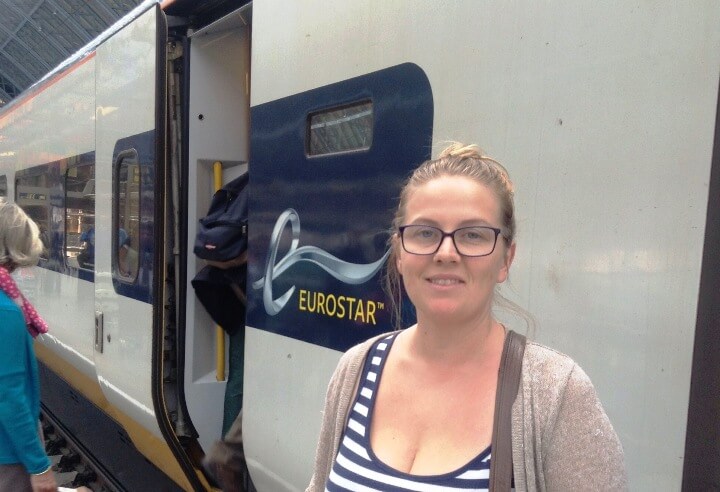
We learned to stay longer in fewer places. Rent a flat for a month instead of booking four hotels. Cook most meals. Use trains instead of flights where you can, because train travel is roughly one zillion times less stressful than air travel, especially with small kids.
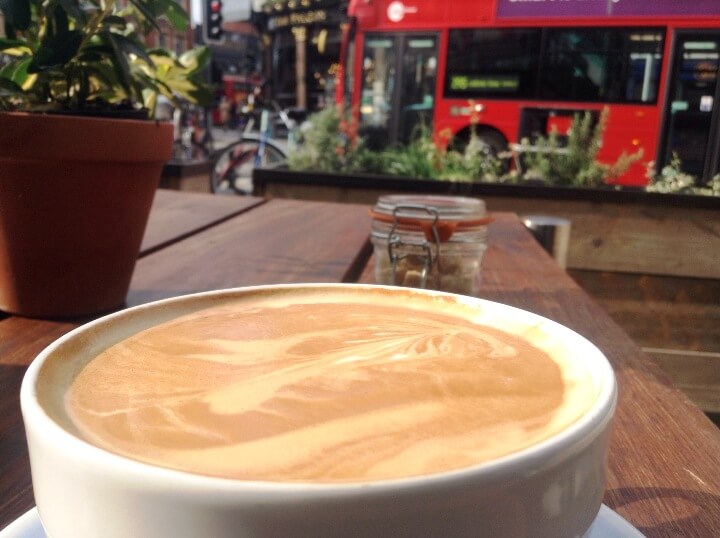
Slow travel also means you actually live somewhere, not just pass through it. You find the cheap local supermarket. You learn which cafe does the best coffee for $2 instead of $7. You stop eating like a tourist. Your daily spend drops dramatically.
4. Kids Are Not the Budget-Killer You’ve Been Told
Before we left, people said all the usual things. “You can’t travel with a toddler.” “It’ll cost a fortune.” “Wait until they’re older.”
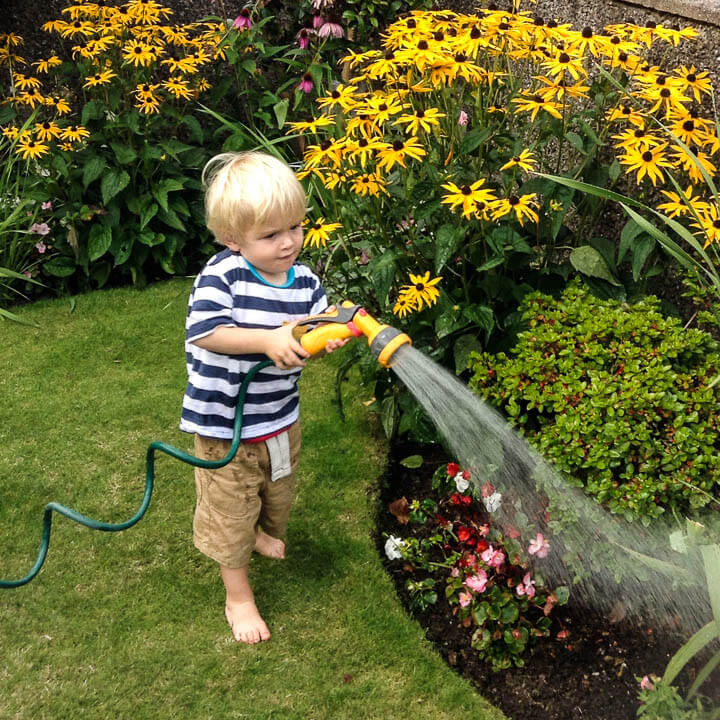
Our son visited nine countries in twelve months. He slept in over twenty different beds. He was fine. He thrived, actually.
His most common request was to “go out for a little walk.” The kid wanted to explore, not sit in a resort.
Now we have two boys, and we still travel. The barrier was never the kids.
It was our assumptions about what travel with kids had to look like. You don’t need business class and all-inclusive resorts. You need a balance bike (or a scooter), snacks, and a sense of humour.
5. Give Yourself Time to Think About Money
This is the sneaky one. The lesson nobody talks about because it doesn’t fit in a listicle.
During that year of travel, with all the downtime that slow travel gives you, I came up with ideas for three different projects.
I’d always known I wanted to work for myself, but I’d never had the headspace to figure out how. Travel gave me that.
One of those ideas eventually became this site.
When you’re stuck in the daily grind, it’s genuinely hard to think beyond next week’s bills. You need pockets of space to ask bigger questions.
What would I do if I didn’t need this salary? What does financial freedom actually look like for my family? What am I working towards?
You don’t have to travel the world to get that space. But you do have to create it somehow. Turn off the noise. Go for a long walk. Sit with a notebook and no plan. That’s where the good ideas live.
6. “You Can Always Make More Money, But You Can Never Make More Time”
A friend told me this when I was terrified about leaving my highly paid corporate marketing job to have my first baby. It’s become something I come back to constantly.
My husband and I are working toward early retirement. Not the “quit everything and sit on a beach” kind. The “build enough passive income from investments and savings that we get to choose how we spend our days” kind.
We want to travel more, live slower, and not be chained to a desk (or on the tools, in my husband’s case) until we’re 65.
That year of travel showed us it was possible. We watched people all over the world designing lives that didn’t revolve around a 9-to-5. We saw what our life could look like with less stuff, lower overheads, and more freedom.
Every financial decision we’ve made since has been shaped by that experience. The downsizing. The investing. The rental properties. The side income.
All of it traces back to a year spent living out of suitcases and realising we were happier with less.

7. Travel Is a Catalyst, Not a Luxury
I know long-term travel isn’t something everyone can do. I know that. But I also know that every single time we’ve come home from a trip, we’ve made a big financial decision we’d been putting off.
After Spain: downsized to a flat.
After the most recent trip: moving to the West Coast.
Travel shakes loose the assumptions you didn’t even know you carried. You come home and suddenly the thing you thought was non-negotiable (the big house, the second car, the suburb you “have to” live in) looks optional.
And when things look optional, you can make choices that free up serious money. Like living with one car, or downsizing, or building a business, or doing something that comfortable you might consider “radical”.
You don’t need a year abroad to get this. A weekend away, a road trip, a week in a bach. Anything that pulls you out of your routine long enough to see it from the outside.
